
Privacy when reading Odds PH
This notice explains the information involved in reading Odds PH, trying the odds calculator, contacting the publication and following a link to another service. These are different activities. Opening an article is not the same as opening an account with an advertiser, and typing a hypothetical stake into the calculator is not a payment instruction.
The simplest way to limit what you share is to match the information to the purpose. Reading a sports guide does not require sending us identification. A spelling correction does not require a screenshot of your bank account. A question about a displayed calculation can normally be explained using invented numbers instead of your personal financial circumstances. You can contact the publication at [email protected] about a privacy question concerning this website.
What happens when a page opens
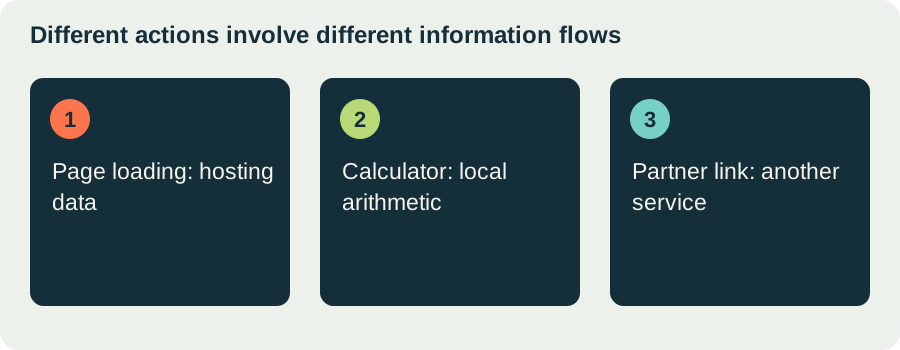
To deliver a page, hosting services receive a request from your browser. That request includes the address requested and connection information, such as an IP address and browser information. Images and other resources needed to display the page also require requests. A page can therefore involve information exchange even when you have not filled in a form or clicked an advertisement.
Hosting and security services may use request records to operate the website, investigate faults and respond to misuse. Request information is different from the contents of a separate wallet or subscription account: reading an NBA article does not give Odds PH access to your NBA subscription, device passwords or payment history. Avoid interpreting the existence of connection records as access to every activity on your device.
An IP address is also different from a home address you intentionally write in an email. You do not need to add your street address to an ordinary editorial enquiry. If your question concerns one article, the article address and a description of the issue are usually the relevant details. Adding unrelated personal information makes the enquiry more sensitive without necessarily making it easier to understand.
Calculator inputs and hypothetical examples
The odds calculator performs its arithmetic in your browser. Its entered odds and hypothetical stake are not submitted to Odds PH or a betting service. Selecting Calculate changes the displayed results; it does not create a gambling account, buy anything or authorise a transaction. The input controls remain unavailable if the interactive calculation cannot run, while the written formulas remain readable.
For privacy, use a simple invented example when discussing a result. “At 2.50 and 100 units, why does return differ from profit?” explains the calculation without disclosing an actual wager. A betting history, account statement or screenshot of your balance is unnecessary for that question. The calculator does not need to know your age, income, employer, payment details or reason for trying a number.
Local calculation should not be confused with secrecy from everyone who can see your device. Someone standing beside the screen can read the displayed values. A screen recording, shared screen or saved screenshot can include them. If you are demonstrating the tool to another person, consider changing the inputs to fictional values before sharing the screen or sending an image.
What you choose to send by email
If you email the publication, the message includes the sender address and whatever you write or attach. The mailbox receives that information so that the enquiry can be read and addressed. Your own mail service can also retain a sent copy, and replies can become part of a conversation in your inbox. An email is therefore different from simply reading a public page.
Include enough context to identify the issue, but keep unrelated information out. For a correction, send the page address, the disputed sentence and the sporting source supporting your point. For a privacy enquiry, explain which interaction concerns you: a page visit, a calculator demonstration, an email or an external link. These descriptions are more useful than sending a large collection of account documents without an explanation.
The content of a forwarded message can extend well beyond the new paragraph you write. Earlier replies, signatures, contact details and attachments may remain in the thread. Review the whole message before forwarding it. If you are discussing a published league record, a link to that public record is generally a better starting point than forwarding a private conversation with another person.
Screenshots, attachments and information about other people
A screenshot can contain more than the item you want to show. Browser tabs, notifications, account names, balances and message previews may appear around the relevant sentence. Crop or cover unrelated material before sending an image. Check the completed image, rather than assuming a quick crop removed everything that was visible on the original screen.
For example, an image intended to show a mistyped volleyball set score might also show a personal chat notification. The relevant evidence is the score and its page context, not the notification. A short quotation and the article link may communicate the issue without any image at all. If the surrounding layout is the problem, include only the area needed to explain that layout.
Be careful with information about someone else. A teammate’s phone number, a child’s school details or another reader’s private email is not made relevant merely because it appears near a sporting discussion. Explain the factual issue without identifying unrelated people. Contact the publication first if you are uncertain which part of a document is actually needed; do not begin by sending the most sensitive version.
Links to official records and outside services
Odds PH links to leagues, sporting organisations and other websites. When you follow an outside link, your browser requests information from that destination. The destination operates under its own privacy policy and account rules. A link from Odds PH does not make its operator part of this publication or give us control over how it handles information you provide there.
Browsers may send information about the page from which a link was followed. The amount can depend on browser behaviour and the policies in effect. MDN explains referral information for readers who want more background. Do not assume every link shares a full browsing history; equally, do not assume that opening an outside website involves no new request or connection information.
Consider the destination before entering personal information. Opening an official game record, signing up to a streaming subscription and registering with a betting operator are separate actions with different information requirements. You can return to Odds PH without completing a registration. A question about an account created with another service should be directed to that service through its own appropriate support route.
Partner advertisements and your choices
Partner banners are advertisements. Following a banner takes you to a commercial destination, and information associated with the click may be used by the partner’s own systems. The link can identify Odds PH and the referring article for attribution. This is separate from the hypothetical values entered into the calculator, which are not included in that link. Odds PH may receive a commission for qualifying activity. Read the destination’s privacy and promotion terms before creating an account or providing documents. Our advertising disclosure explains the commercial relationship separately.
The illustrated person in a banner is not a person collecting your details. An image, a familiar sporting theme or an athlete’s name in an adjacent article does not establish who operates the destination. Identify the service itself before considering what information to share. A general welcome-bonus headline is not a privacy notice or an explanation of account verification.
You can read the sports articles and use the educational explanations without following the advertisements. Clicking an offer is not required to report a factual error or ask an editorial question. Do not send registration documents to the publication in the hope that we can complete the partner’s process for you; Odds PH does not manage those accounts.
Cookies and information kept on your device
Cookies are small pieces of information a browser can store for a website. They can support functions such as keeping an authorised editor signed in. The website does not add analytics or advertising-pixel scripts. This description of the publication’s pages does not replace the cookie policies of services you visit through external links.
Your browser can also keep a browsing history, cached resources and downloaded files. These are different from a message sent to our email address. Clearing a local history entry changes what is stored in that browser; it does not automatically withdraw an email already delivered or change an account record held by another service. Treat each place where information exists as a separate question.
If you change browser privacy settings, use the browser’s own explanations of their effect. Some settings can affect sign-in or the way outside services work. The MDN cookie guide describes the general mechanism. A shared computer deserves particular care because the next person using the same browser may encounter saved pages, downloaded screenshots or an email session you left open.
How to raise a privacy question
Write to [email protected] and identify the interaction you are asking about. A useful subject might be “Privacy question about an editorial email” or “Information visible in a screenshot I sent”. Explain the date approximately, the page involved if relevant, and what you want clarified. Do not include a password or a one-time code as supposed proof of identity.
Questions about access to, correction of or removal of information should explain the record concerned. They are assessed in relation to the information involved and the circumstances of the request. Do not assume that changing a public article also changes every copy, forwarded message or record held by another organisation. The publication cannot promise the deletion of information from services it does not operate.
Unexpected messages and sensitive credentials
Do not send passwords, MPINs, one-time codes, payment-card details or identity documents to our editorial mailbox. These are not needed to check whether a basketball calculation is correct. Be cautious if a message claims that an article correction or privacy enquiry requires a payment or a secret account code.
An unexpected message can use a familiar logo or a plausible story. The FTC’s phishing guidance describes how messages can pressure people into disclosing information. Check a surprising request independently using the contact details of the organisation concerned. Do not rely solely on the contact link included in the same suspicious message.
If a concern is about a betting, wallet or subscription account, contact the provider responsible for that account. Odds PH cannot reset its password, inspect its transaction history or reverse a charge. Keeping that boundary clear limits the temptation to send a publication information that only the actual service provider should handle.
Practical privacy questions
Can I ask a question without sending my real betting figures? Yes. A hypothetical price and stake are enough to explain most calculator questions. State that they are examples so that they cannot be confused with an actual transaction or complaint about settlement.
Should I send an identity document to report a wrong player name? No. The article address, the name concerned and a reliable sporting source are the relevant starting information. A passport or account-verification document does not establish which spelling a tournament uses.
Does following a league link give that league control over my email enquiry here? The two interactions are separate. The destination handles its website request; an email sent to Odds PH is a communication with this publication. Be specific about which interaction a question concerns.
Can I treat a saved screenshot as private just because the page is public? Not necessarily. A public article can appear inside a screenshot that also contains private material from your device. Review the whole image before sharing it, and keep only what is needed to explain the issue.
Sharing a link instead of a private record
If an enquiry concerns publicly available sporting information, sharing its public page address can reduce the amount of private material involved. For instance, the official match report and a quotation of the disputed sentence can identify a scoring question without revealing the private chat in which you first noticed it. Check that the address opens the intended public information rather than a page belonging to a signed-in account.
Before copying an address from a personal account area, consider whether it includes details that belong only to your session or transaction. You do not need to explain those details to report a sentence on Odds PH. Describe the issue in ordinary language and supply the publication page concerned. Keeping a privacy question specific is more useful than sending every record that happens to be open on your device.